22 June 2026
Mastering Aircraft B-Roll Editing in Under 10 Minutes: A Beginner's Guide
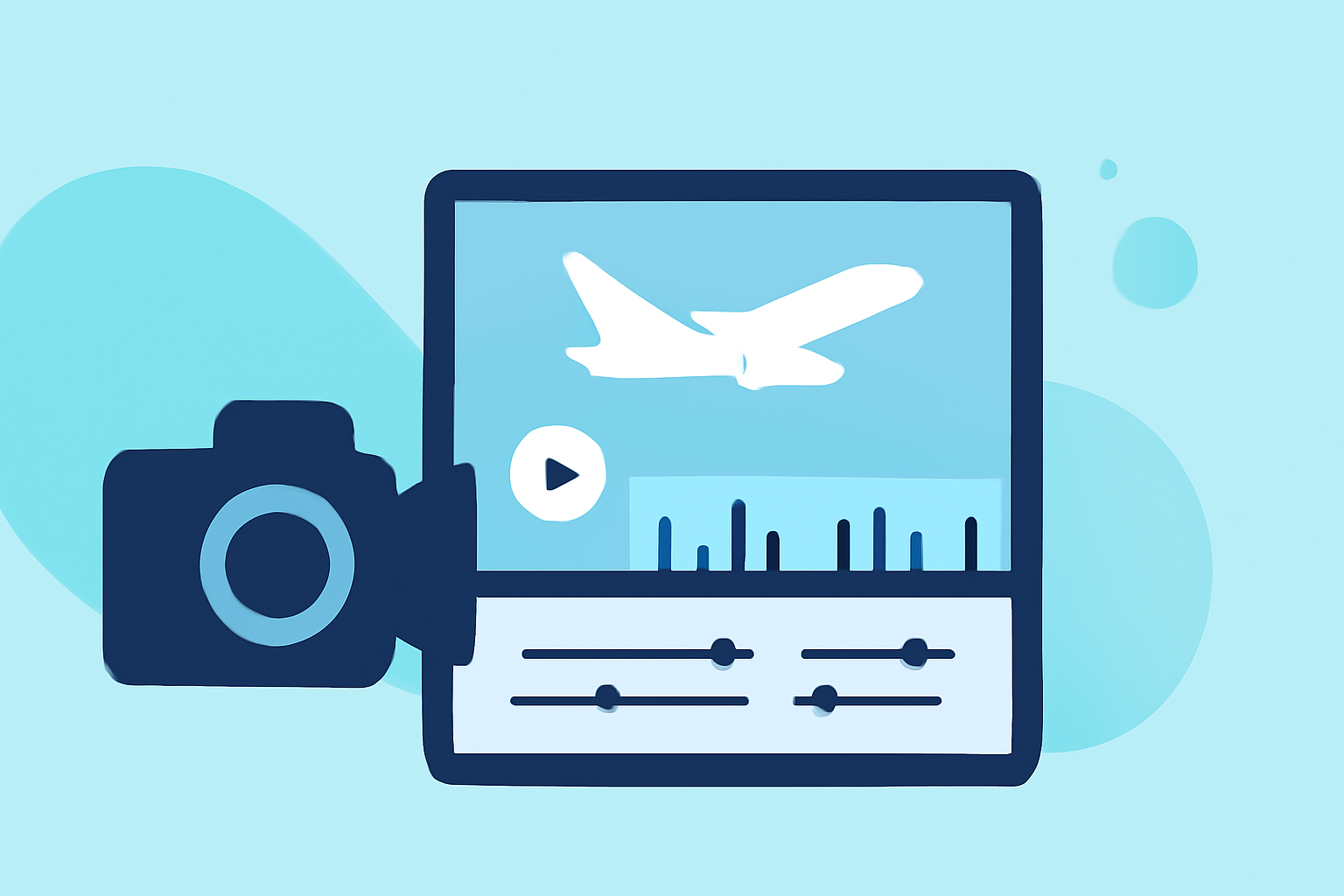
Creating compelling aircraft B-roll footage can significantly enhance your video projects, adding dynamic visuals that captivate your audience. Whether you're a beginner or looking to refine your skills, this guide will walk you through the essentials of shooting and editing aircraft B-roll in under 10 minutes.
What Is B-Roll and Why Is It Important?
B-roll refers to supplementary footage intercut with the main (A-roll) footage to provide context, cover jump cuts, and maintain viewer engagement. In the context of aircraft videos, B-roll can include shots of planes taking off, in-flight maneuvers, cockpit views, and ground operations. Effectively incorporating B-roll enriches your narrative and keeps the audience visually engaged.
Essential Equipment for Shooting Aircraft B-Roll
To capture high-quality aircraft B-roll, consider the following equipment:
- Camera: A DSLR or mirrorless camera with manual settings for optimal control.
- Lenses: A telephoto lens (70-200mm) for distant shots and a wide-angle lens (16-35mm) for close-ups.
- Stabilization: A tripod or monopod to ensure steady shots.
- Filters: Polarizing filters to reduce glare and ND filters to manage exposure in bright conditions.
Techniques for Shooting Aircraft B-Roll
- Plan Your Shots: Identify key moments you want to capture, such as takeoffs, landings, or aerial maneuvers.
- Use the Wide–Medium–Tight Formula: Capture wide shots to establish the scene, medium shots to show action, and tight shots to highlight details. This approach provides a comprehensive visual narrative. (pozoproduction.com)
- Incorporate Foreground Elements: Adding elements like airport structures or runway lights in the foreground can add depth and context to your shots. (pozoproduction.com)
- Maintain Proper Exposure: Aircraft are often in bright, open skies. Use ND filters to manage exposure and prevent overexposed footage.
- Ensure Safety: Always adhere to local aviation regulations and obtain necessary permissions when filming near airports or aircraft.
Editing Aircraft B-Roll: A Step-by-Step Guide
- Import Your Footage: Transfer your clips to your editing software and organize them into bins for easy access.
- Select the Best Clips: Review your footage and choose the most compelling shots that align with your narrative.
- Apply the 5-Second Rule: Keep each B-roll clip between 3–5 seconds to maintain a dynamic pace and prevent viewer fatigue. (hoverair.com)
- Use J-Cuts and L-Cuts: These editing techniques involve overlapping audio and video transitions to create a seamless flow between A-roll and B-roll. (stlouisvideoediting.net)
- Add Natural Sound: Incorporate ambient sounds like engine noise or wind to enhance immersion.
- Color Grading: Apply a consistent color grade to unify your footage and give it a professional look.
- Export Your Video: Choose the appropriate resolution and format for your intended platform, ensuring optimal playback quality.
Recommended Tools for Efficient Editing
To streamline your editing process, consider using intuitive video editing software that offers a range of features suitable for beginners and professionals alike. These tools provide user-friendly interfaces, pre-built templates, and advanced editing capabilities to enhance your workflow.
Conclusion
Mastering aircraft B-roll editing involves careful planning, effective shooting techniques, and proficient editing skills. By following the steps outlined in this guide, you can create engaging and professional-looking videos that showcase the dynamic world of aviation.
Remember, practice is key. The more you shoot and edit, the more proficient you'll become in capturing and presenting compelling aircraft B-roll footage.
For a visual demonstration of these techniques, you might find this tutorial helpful:
How to Shoot & Edit B Roll For Beginners (Step-by-Step Tutorial)