22 June 2026
Mastering Boarding Gate Footage Edits: A Beginner's Guide
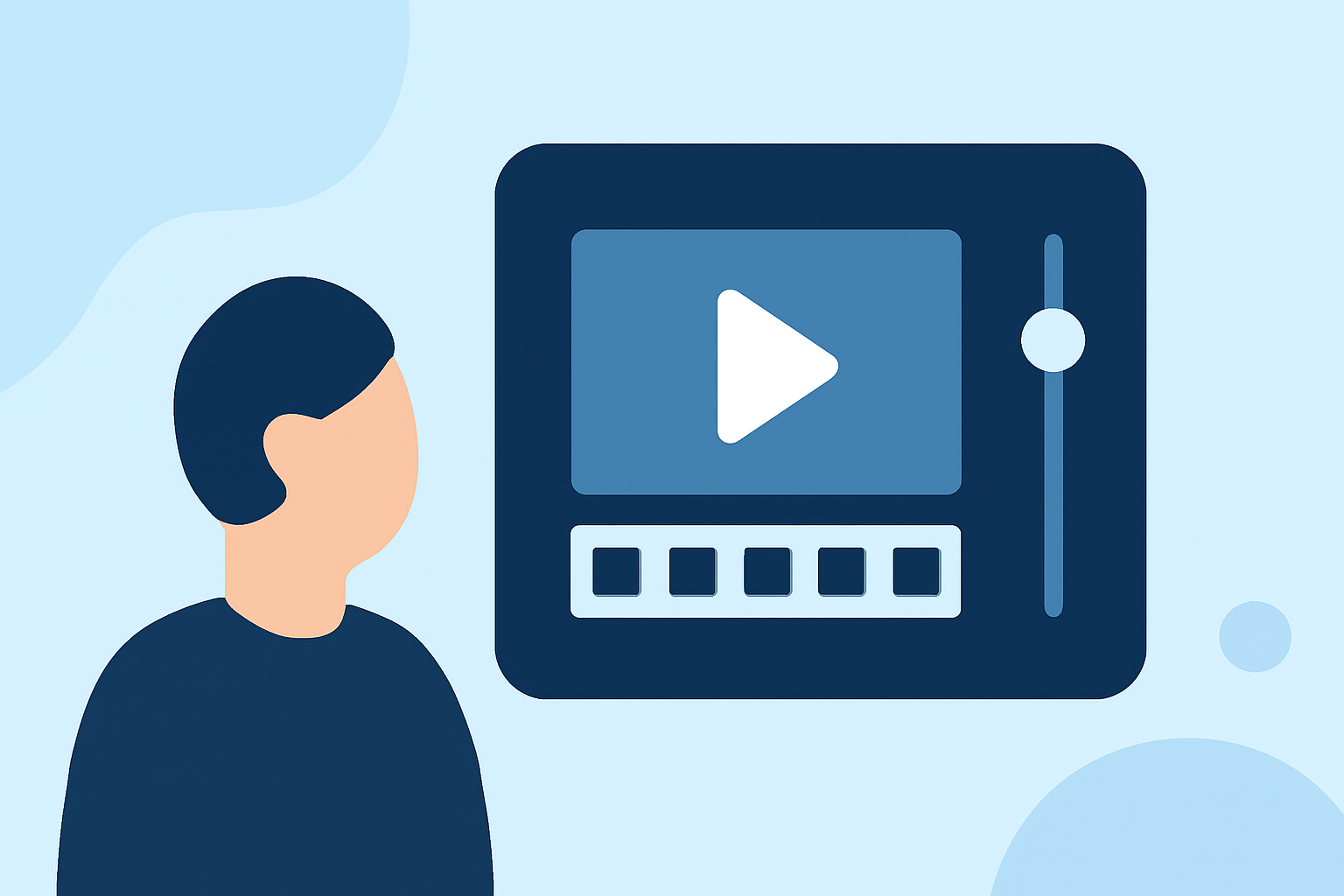
Editing boarding gate footage can be a rewarding endeavor, especially when you have the right tools and techniques at your disposal. Whether you're aiming to create a travel vlog, a cinematic montage, or a personal memory reel, understanding the basics of video editing will set you on the path to success.
1. Organize Your Footage
Before diving into the editing process, it's crucial to organize your clips. Create a dedicated folder for your project and subfolders for raw footage, audio files, and graphics. This structured approach ensures a smoother editing experience and saves valuable time. (crayo.ai)
2. Choose the Right Editing Tool
Selecting an intuitive and feature-rich video editing application is essential. Opt for software that offers a user-friendly interface, a variety of editing tools, and compatibility with your operating system. Many applications provide tutorials and community support, which can be invaluable for beginners.
3. Master Basic Editing Techniques
Familiarize yourself with fundamental editing skills:
-
Cutting and Trimming: Remove unnecessary sections to keep your video concise and engaging.
-
Transitions: Use simple transitions like fades or cross-dissolves to maintain a smooth flow between scenes.
-
Pacing: Adjust the timing of your clips to match the desired rhythm and mood of your video.
These foundational techniques are crucial for creating a polished final product. (lafilm.edu)
4. Enhance Audio Quality
Audio plays a pivotal role in video editing. Ensure your audio tracks are clear and balanced. Remove background noise, adjust volume levels, and synchronize audio with video to create a cohesive experience. Layering ambient sounds can also add depth and realism to your footage. (lafilm.edu)
5. Apply Color Correction and Grading
Adjusting the color settings of your footage can significantly impact its visual appeal. Start with color correction to achieve natural-looking colors, then apply color grading to set the desired mood or style. Be mindful of skin tones and avoid over-saturation to maintain a professional appearance. (miracamp.com)
6. Utilize B-Roll Footage
Incorporating B-roll—supplementary footage that supports your main content—can enhance storytelling and provide visual variety. For instance, if your main footage is a boarding gate scene, B-roll of the airport environment, close-ups of luggage, or passengers can add context and interest. (nemovideo.com)
7. Add Text and Graphics
On-screen text can provide context, emphasize key points, or add a creative touch to your video. Ensure that text is legible, appropriately timed, and complements the overall aesthetic. Avoid overusing text, as it can become distracting. (nemovideo.com)
8. Export and Share Your Video
Once satisfied with your edits, export your video in the appropriate format and resolution for your intended platform, whether it's YouTube, Instagram, or personal viewing. Ensure that the export settings match the requirements of the platform to maintain optimal quality.
Conclusion
Embarking on the journey of editing boarding gate footage is both exciting and fulfilling. By following these steps and practicing regularly, you'll develop the skills needed to produce engaging and professional-looking videos. Remember, the key is to start simple, stay organized, and gradually incorporate more advanced techniques as you become more comfortable with the editing process.
For those looking to streamline their editing workflow, consider exploring user-friendly video editing applications that offer a range of features suitable for beginners.