22 June 2026
Essential Tips for Editing Boarding Gate Footage: A Guide for Hobbyists
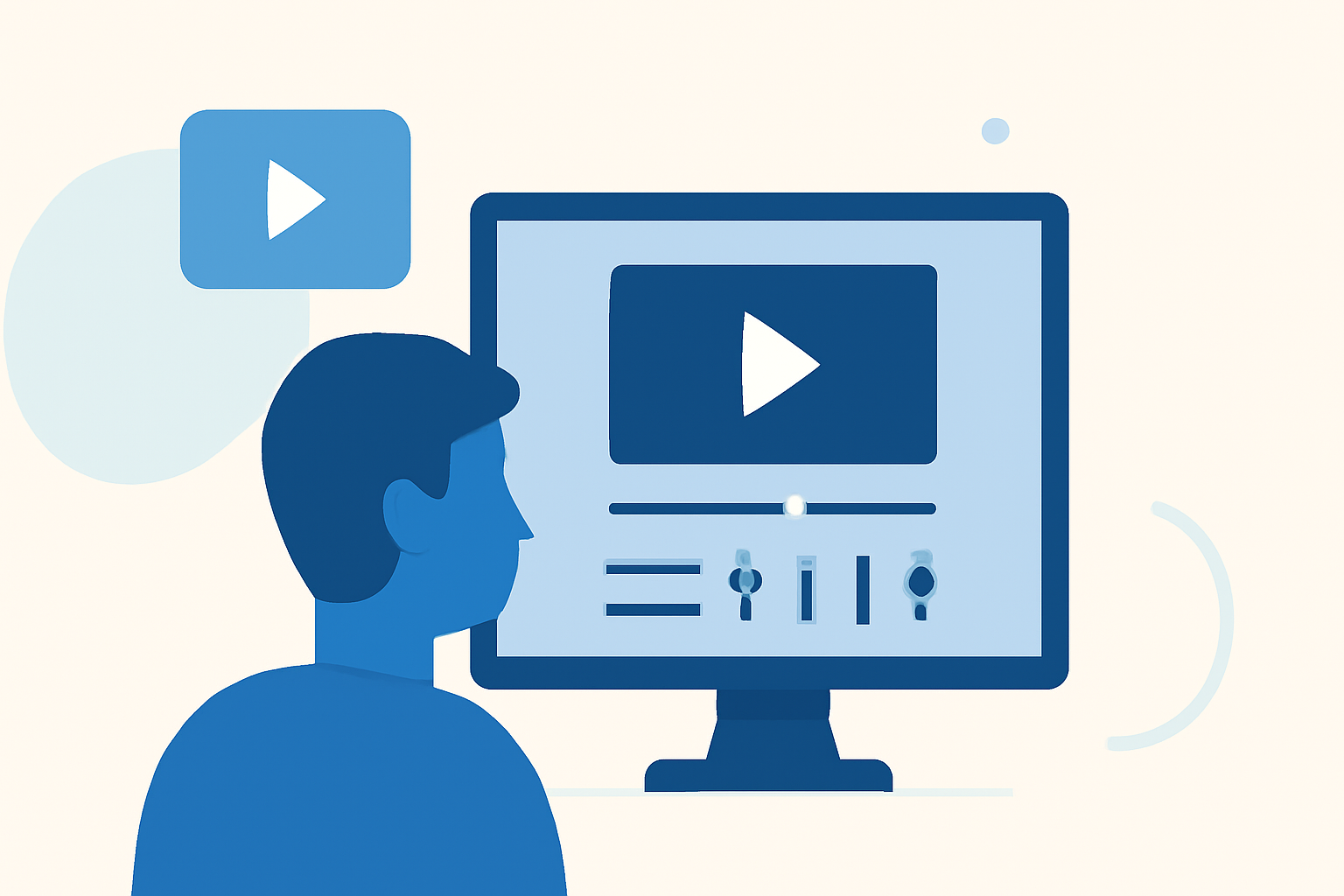
Editing boarding gate footage can be both exciting and challenging for hobbyists. To create engaging and professional-looking videos, consider the following essential tips:
1. Plan Your Edit Before You Start
Begin by defining the purpose of your video. Decide on the story you want to tell and the emotions you wish to convey. Creating a storyboard or outline can help visualize the sequence of shots and transitions, ensuring a coherent narrative flow. (kapwing.com)
2. Organize Your Footage Efficiently
Before diving into editing, organize your clips into folders based on scenes or themes. This practice streamlines the editing process and saves valuable time. Labeling clips clearly and using a consistent naming convention can further enhance workflow efficiency. (ruahcreativehouse.org)
3. Master Basic Editing Techniques
Familiarize yourself with fundamental editing skills such as cutting on action, using J-cuts and L-cuts, and applying basic transitions. These techniques help maintain a natural flow and keep the audience engaged. For instance, cutting during movement can make transitions less noticeable and more seamless. (learnaboutfilm.com)
4. Enhance Audio Quality
Good audio is crucial for a professional-looking video. Start by cleaning up your audio tracks to remove background noise and ensure clarity. Normalize volume levels to maintain consistency throughout the video. Layering subtle ambient sounds can also add depth and realism to your footage. (miracamp.com)
5. Apply Color Correction and Grading
Color correction ensures that your footage has consistent exposure and white balance, while color grading allows you to set the mood and tone of your video. Adjusting brightness, contrast, and saturation can significantly impact the visual appeal of your footage. (miracamp.com)
6. Utilize Motion Effects and Transitions
Incorporating motion effects, such as panning and zooming, can add dynamism to your video. Using subtle transitions like fades and dissolves can help maintain the flow between scenes without distracting the viewer. Remember, less is often more when it comes to transitions. (makeuseof.com)
7. Maintain Consistent Pacing
The pacing of your video affects how the audience perceives the story. Varying shot lengths and rhythms can create tension or relaxation, depending on the desired effect. Be mindful of the pacing to keep the audience engaged and to effectively convey your message. (learnaboutfilm.com)
8. Use Text and Graphics Purposefully
On-screen text and graphics should support the narrative and not overwhelm the viewer. Use them to highlight key points, provide context, or add emphasis. Ensure that fonts are legible and that text placement does not obstruct important visual elements. (nemovideo.com)
9. Review and Refine Your Edit
After assembling your footage, take the time to review the entire video. Look for areas that may need trimming, transitions that could be smoother, or audio that requires adjustment. Seeking feedback from others can also provide valuable insights and help identify areas for improvement. (crayo.ai)
10. Consider Using Specialized Tools
For hobbyists looking to streamline the editing process, specialized tools can be invaluable. Planes Live offers a user-friendly platform tailored for editing boarding gate footage, providing features that simplify the editing workflow and enhance the final product.
By following these tips and utilizing the right tools, hobbyists can create compelling and polished boarding gate videos that captivate their audience.