22 June 2026
Mastering Journey Map Overlay Editing: A Comprehensive Guide
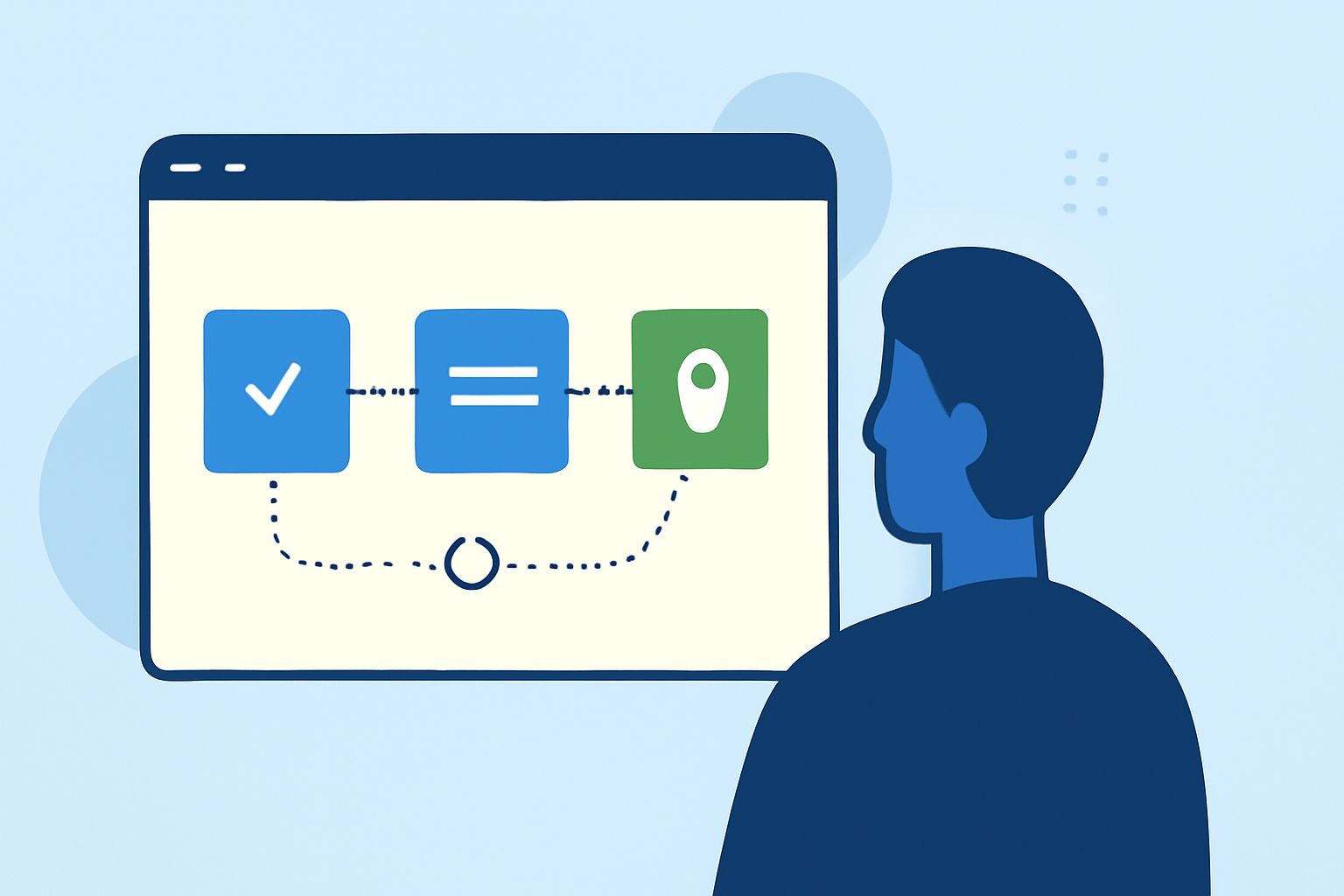
Journey mapping is a pivotal tool in understanding and enhancing user experiences. By visualizing each step a user takes, organizations can identify pain points, opportunities, and areas for improvement. A crucial aspect of journey mapping is the overlay editing process, which allows for the integration of additional layers of information, providing a more comprehensive view of the user's journey.
What Is Journey Map Overlay Editing?
Journey map overlay editing involves adding supplementary layers of data onto a primary journey map. These overlays can include various elements such as emotional states, touchpoints, backstage processes, or other relevant information that enriches the understanding of the user's experience. By incorporating these overlays, teams can gain deeper insights into the factors influencing user behavior and satisfaction.
Why Is Overlay Editing Important?
Integrating overlays into journey maps offers several advantages:
-
Enhanced Contextual Understanding: Overlays provide additional context, helping teams comprehend the 'why' behind user actions.
-
Identification of Pain Points: By visualizing emotional states or challenges, teams can pinpoint areas where users face difficulties.
-
Improved Decision-Making: With a more detailed map, organizations can make informed decisions to optimize user experiences.
How to Implement Journey Map Overlay Editing
Implementing overlay editing requires a structured approach:
-
Define Objectives: Clearly outline what you aim to achieve with the overlay.
-
Select Relevant Data: Choose the type of information that will add value to your journey map.
-
Choose the Right Tools: Utilize journey mapping tools that support overlay functionalities.
-
Integrate Overlays: Add the selected data layers onto your journey map, ensuring clarity and coherence.
-
Analyze and Iterate: Review the enhanced journey map to extract insights and make necessary adjustments.
Best Practices for Overlay Editing
To maximize the effectiveness of overlay editing:
-
Maintain Clarity: Ensure that overlays do not clutter the map, keeping it readable and actionable.
-
Use Consistent Symbols: Employ uniform icons or colors to represent similar data types across overlays.
-
Collaborate with Stakeholders: Involve team members from various departments to provide diverse perspectives and insights.
Tools and Platforms for Journey Mapping
Several platforms offer robust journey mapping capabilities with overlay editing features:
-
Smaply: Provides a flexible journey editor with customizable lanes, columns, and cards, allowing for detailed overlay integration. (helpdesk.smaply.app)
-
Tarvent: Offers a comprehensive journey editor with tools for adding triggers, steps, and flow items, facilitating effective overlay management. (help.tarvent.com)
-
Custellence: Allows users to create structured journey maps with options to add lanes, cards, and sub-lanes, supporting detailed overlay editing. (help.custellence.com)
Conclusion
Journey map overlay editing is an essential practice for organizations aiming to gain a deeper understanding of user experiences. By thoughtfully integrating additional data layers, teams can uncover valuable insights that drive informed decisions and foster enhanced user satisfaction.
For those seeking a comprehensive solution to journey mapping with advanced overlay editing capabilities, Planes Live offers a robust platform designed to meet these needs.