22 June 2026
Mastering the Landing-to-Destination Montage: A Comprehensive Guide

Creating an effective landing-to-destination montage is a powerful storytelling tool in filmmaking. This technique condenses time and space, allowing audiences to experience a journey or transition succinctly. Whether you're depicting a character's travel or the progression of an event, mastering this montage can enhance your narrative.
What Is a Landing-to-Destination Montage?
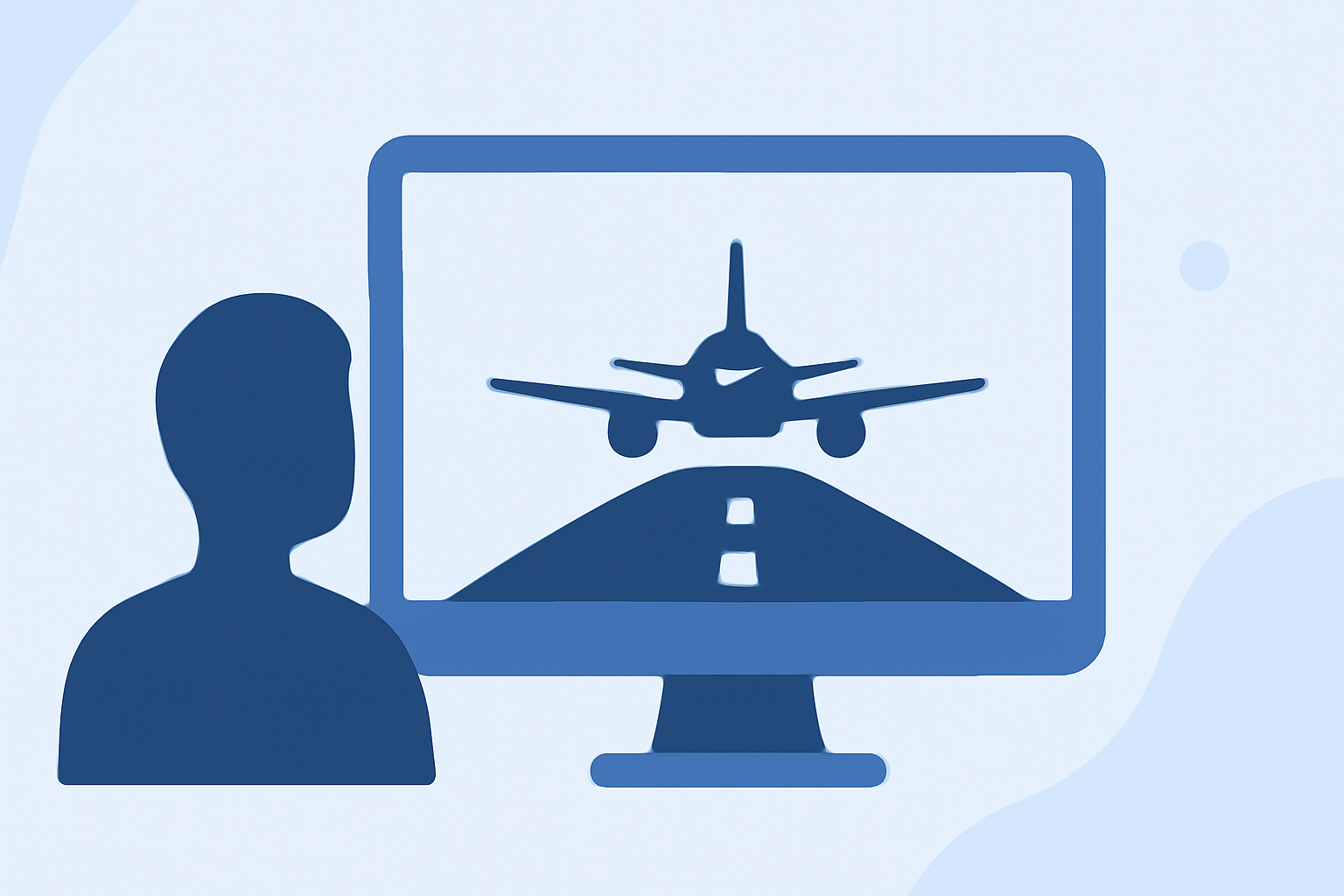
A landing-to-destination montage is a sequence of shots that illustrates a character's journey from arrival to their final destination. It's commonly used to convey the passage of time, character development, or the unfolding of events without the need for extensive dialogue or exposition.
Why Use a Landing-to-Destination Montage?
- Efficiency: Condenses lengthy travel or transition periods into a brief, impactful sequence.
- Pacing: Maintains narrative momentum by skipping over less critical details.
- Emotional Impact: Combines visuals and music to evoke specific emotions associated with the journey.
How to Plan a Landing-to-Destination Montage
- Define the Purpose: Determine what you aim to convey with the montage—character growth, thematic elements, or plot progression.
- Select Key Moments: Choose significant events or actions that represent the journey's essence.
- Storyboard the Sequence: Sketch each shot to visualize the flow and transitions.
- Choose Appropriate Music: Select a soundtrack that complements the montage's mood and enhances the emotional experience.
Tips for Creating an Effective Montage
- Maintain Continuity: Ensure visual and thematic consistency throughout the sequence.
- Use Transitions Wisely: Employ dissolves, fades, or cuts to signify the passage of time or change in location.
- Keep It Concise: Avoid overloading the montage with too many details; focus on the most impactful moments.
- Test Audience Reactions: Preview the montage to gauge audience engagement and emotional response.
Common Mistakes to Avoid
- Overcomplicating the Sequence: Including too many shots can dilute the montage's impact.
- Inconsistent Pacing: Uneven rhythm can disrupt the narrative flow.
- Neglecting Audio Elements: Ignoring sound design and music can weaken the montage's emotional resonance.
How to Edit a Landing-to-Destination Montage
- Assemble the Footage: Import all selected clips into your editing software.
- Arrange Chronologically: Place clips in the intended order to depict the journey's progression.
- Apply Transitions: Use appropriate transitions to enhance the flow between shots.
- Sync with Music: Align the montage with the chosen soundtrack, adjusting timing as necessary.
- Refine the Edit: Trim excess footage and ensure the montage effectively conveys the intended message.
Tools and Software for Montage Creation
Utilizing the right tools can streamline the montage creation process. While there are various options available, it's essential to choose one that aligns with your specific needs and workflow.
Conclusion
Mastering the landing-to-destination montage is a valuable skill for filmmakers aiming to convey complex narratives efficiently. By carefully planning, executing, and editing your montage, you can create a compelling sequence that resonates with your audience.
For those looking to enhance their filmmaking projects, exploring specialized tools can offer additional features and capabilities to support your creative vision.