22 June 2026
Mastering Plane Spotting: A Beginner's Guide to Capturing Aircraft Videos
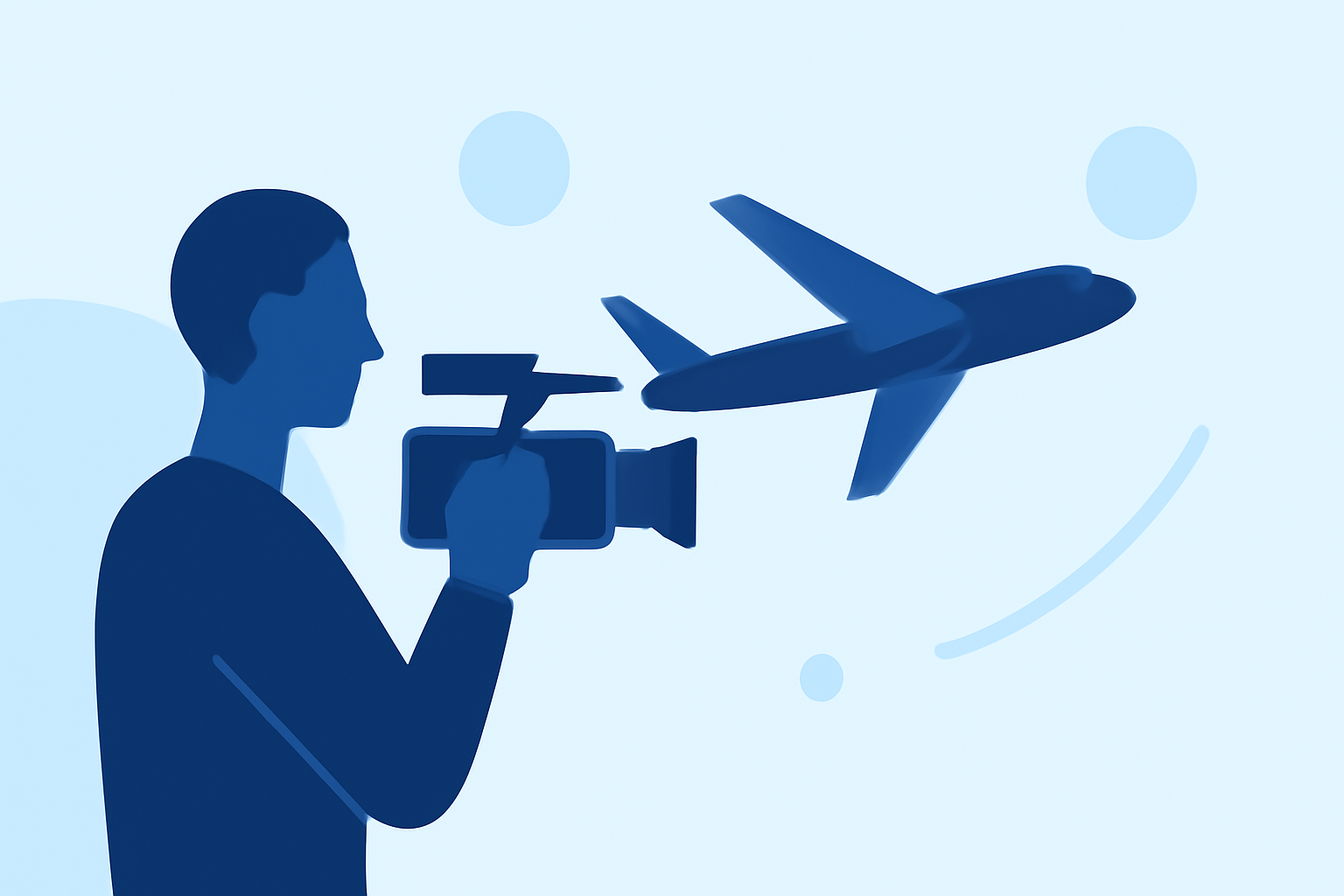
Embarking on the hobby of plane spotting offers enthusiasts the opportunity to observe, identify, and photograph aircraft in flight. For those interested in capturing these moments on video, understanding the fundamentals of videography is essential.
What Equipment Do I Need for Plane Spotting Videography?
To effectively capture aircraft in motion, investing in the right equipment is crucial. A DSLR or mirrorless camera equipped with a telephoto lens (200-400mm) is ideal for obtaining clear and detailed footage. Additionally, a sturdy tripod or monopod can provide stability during shooting sessions. For those on a budget, high-quality smartphones with optical zoom capabilities can also serve as viable alternatives.
How Do I Set Up My Camera for Optimal Video Quality?
Proper camera settings are vital for producing sharp and smooth videos. Utilize manual mode to have full control over your settings. Set the shutter speed to at least 1/1000s to freeze the motion of fast-moving aircraft; for slower propeller planes, 1/500s may suffice. An aperture between f/5.6 and f/8 offers a good balance between depth of field and light intake. Keep ISO as low as possible to reduce noise, adjusting it only when necessary due to lighting conditions. Employ continuous autofocus to maintain focus on moving subjects. Shooting in RAW format provides greater flexibility during post-production editing.
When Is the Best Time to Capture Plane Spotting Videos?
Lighting plays a significant role in videography. The golden hour, occurring shortly after sunrise and before sunset, offers soft and warm lighting that enhances the visual appeal of your footage. Position yourself so that the sun is behind you to illuminate the aircraft effectively and minimize shadows. Avoid shooting directly into the sun to prevent overexposed or silhouetted images.
How Do I Edit My Plane Spotting Videos?
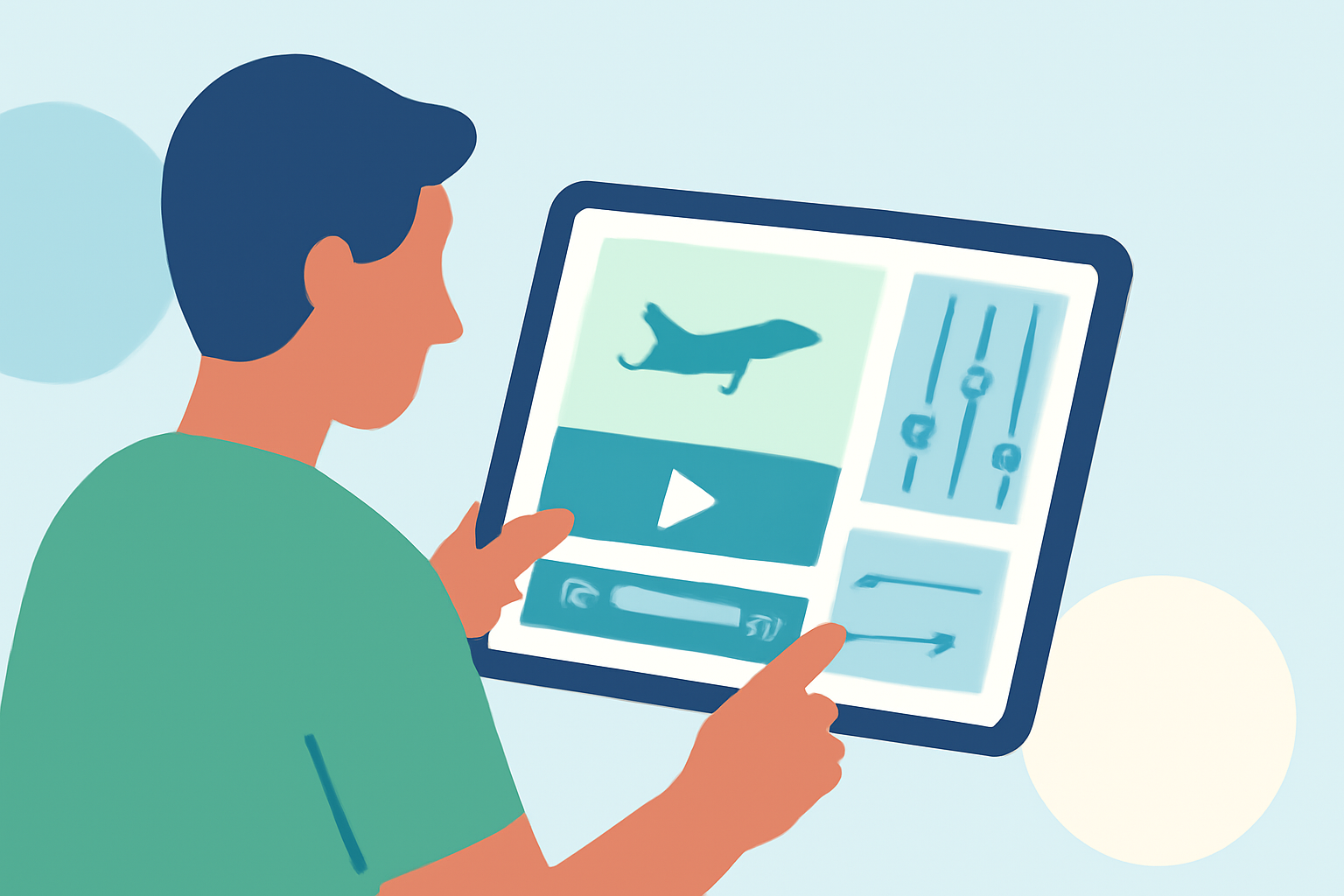
Editing allows you to enhance your footage and create a compelling narrative. Begin by organizing your clips and selecting the best shots. Use video editing software to adjust exposure, contrast, and color balance. Incorporate slow-motion effects to emphasize specific moments, such as takeoffs or landings. Adding background music and captions can provide context and engage viewers. Ensure that the final video flows smoothly and maintains viewer interest throughout.
How Can I Share My Plane Spotting Videos?
Sharing your videos with the aviation community can be both rewarding and educational. Platforms like YouTube and Vimeo are popular choices for hosting and sharing videos. Social media platforms such as Instagram and Facebook allow for broader audience engagement. When sharing, include relevant hashtags and descriptions to reach enthusiasts interested in aviation and plane spotting.
By following these guidelines, you can enhance your plane spotting videography skills and share your passion for aviation with a wider audience.