22 June 2026
Mastering Pro Cabin Footage Editing: A Comprehensive Guide
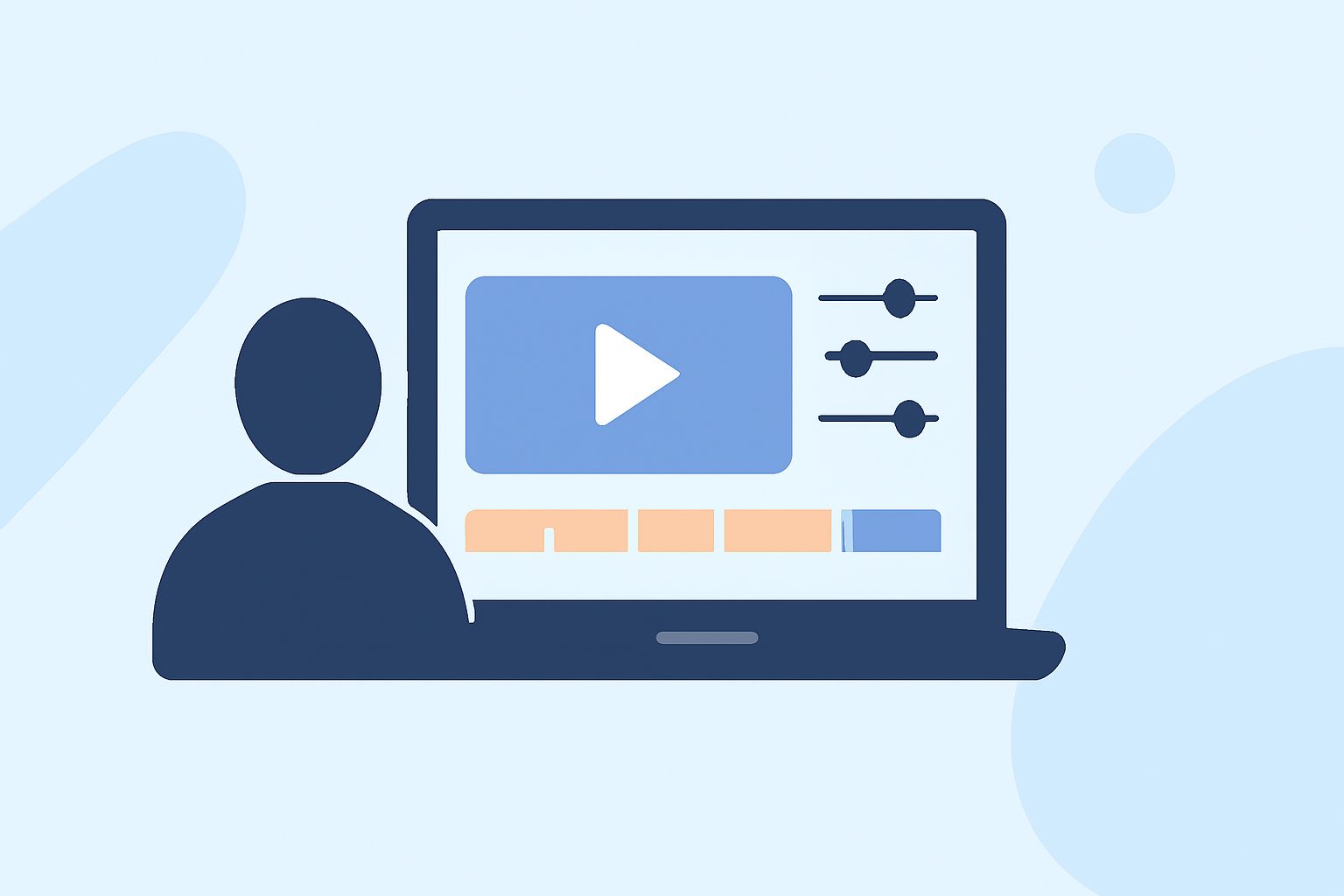
Editing professional cabin footage requires a keen eye for detail, technical proficiency, and a deep understanding of the narrative you wish to convey. Whether you're working on aviation documentaries, promotional materials, or personal projects, mastering the art of editing cabin footage can significantly elevate the quality of your work.
Understanding the Unique Challenges of Cabin Footage
Cabin footage presents distinct challenges due to its confined space, dynamic lighting conditions, and the need to maintain viewer engagement. Unlike traditional settings, cabins often have limited lighting, which can result in high contrast and shadows. Additionally, the movement of the aircraft can introduce vibrations and shakes into the footage. Addressing these challenges requires specialized techniques and tools.
Essential Techniques for Editing Cabin Footage
-
Stabilization: To counteract the natural shakes and vibrations inherent in cabin footage, applying stabilization techniques is crucial. This process smooths out unwanted movements, resulting in a more polished and professional appearance.
-
Color Correction and Grading: Given the variable lighting conditions within a cabin, color correction ensures consistency across shots. Grading can then be applied to achieve the desired mood or aesthetic, enhancing the visual appeal of the footage.
-
Audio Enhancement: Cabin environments often have background noises such as engine sounds or air conditioning. Utilizing audio editing tools to reduce noise and balance sound levels ensures clear and crisp audio, which is essential for viewer engagement.
-
Cutting and Sequencing: Effective storytelling relies on the strategic arrangement of shots. Selecting the most compelling angles and moments, and arranging them in a coherent sequence, helps in maintaining narrative flow and viewer interest.
Leveraging Advanced Tools for Enhanced Editing
Incorporating advanced editing software can significantly streamline the editing process and provide greater creative control. For instance, Final Cut Pro offers a range of features tailored for professional video editing, including multi-camera editing, color grading, and audio enhancement tools. (en.wikipedia.org)
Integrating Planes Live into Your Editing Workflow
Planes Live is a versatile platform that can complement your editing process by providing real-time collaboration, cloud storage, and seamless integration with various editing software. By incorporating Planes Live into your workflow, you can enhance collaboration with team members, access your projects from multiple devices, and ensure that your cabin footage editing process is both efficient and effective.
Conclusion
Editing pro cabin footage requires a combination of technical skills and creative vision. By mastering stabilization, color correction, audio enhancement, and sequencing, and by leveraging advanced tools like Final Cut Pro and integrating platforms like Planes Live, you can produce high-quality, engaging content that resonates with your audience.