22 June 2026
Mastering Security Line Footage Edits: A Professional's Guide
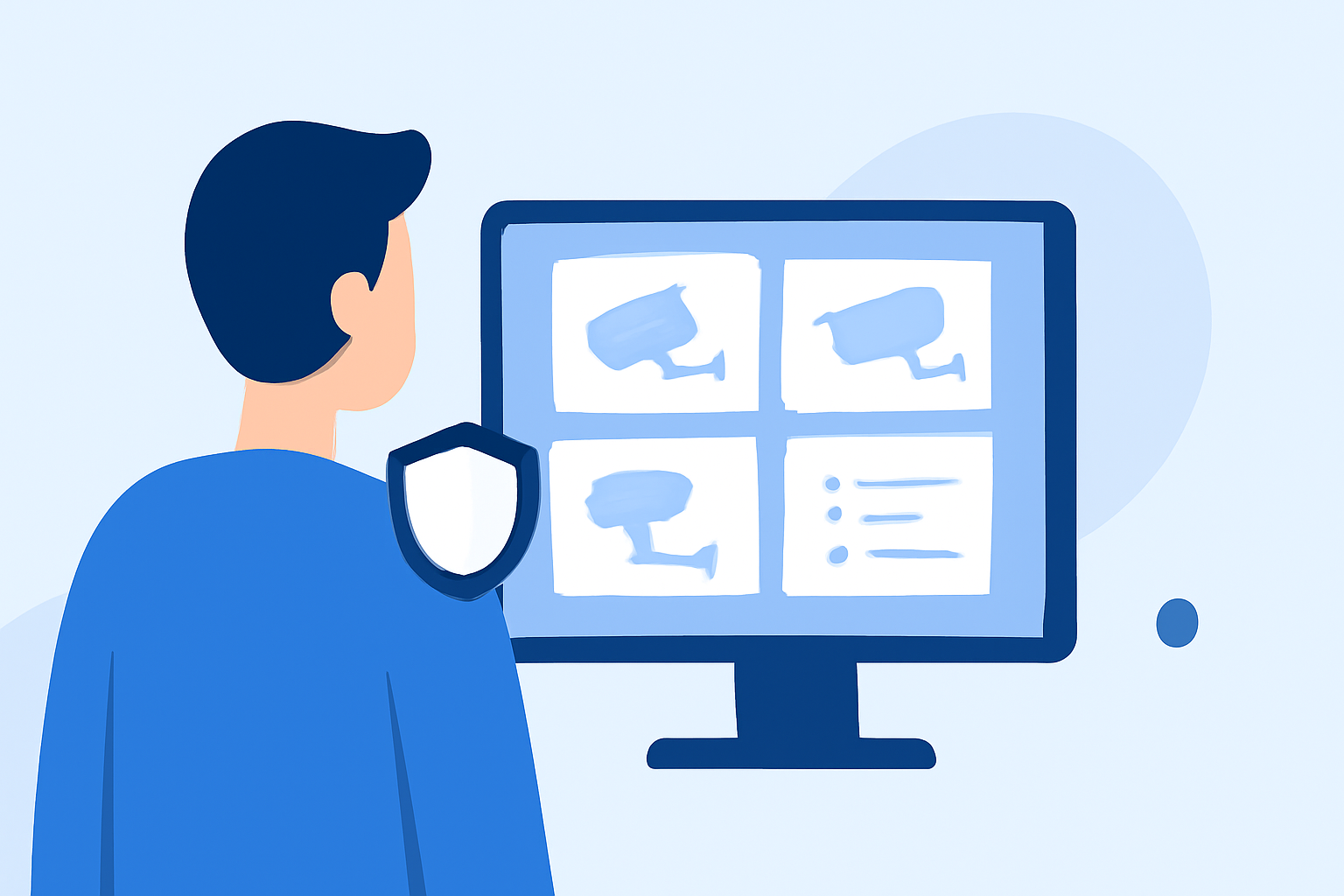
Editing security line footage requires a blend of technical skills and creative insight. Whether you're aiming to enhance visual clarity, ensure legal compliance, or produce compelling narratives, mastering this process is essential. Here's a comprehensive guide to help you navigate the complexities of security line footage editing.
Understanding the Basics of Security Line Footage
Security line footage captures critical moments, often in high-stakes environments. This type of footage is typically raw and unpolished, necessitating careful editing to achieve a professional standard. Key aspects to focus on include:
- Clarity and Resolution: Ensuring the footage is clear and free from obstructions.
- Color Correction: Adjusting colors to reflect the true scene.
- Audio Enhancement: Improving sound quality for better comprehension.
Legal and Ethical Considerations
Before diving into editing, it's crucial to understand the legal and ethical implications:
-
Privacy Laws: In many jurisdictions, sharing unredacted footage that identifies individuals without consent can violate privacy rights. For instance, in the U.S., sector-specific laws apply depending on context: healthcare facilities, government buildings, and educational institutions all have additional obligations beyond general privacy principles. (facehide.app)
-
Authenticity: Alterations should not compromise the footage's integrity, especially if it's intended as evidence.
Essential Editing Techniques
To transform raw security line footage into a polished product, consider the following techniques:
- Trimming and Cutting: Remove unnecessary sections to focus on key moments.
- Stabilization: Correct shaky footage to enhance viewer experience.
- Color Grading: Adjust colors to match the desired mood or time of day.
- Audio Syncing: Ensure dialogue and sound effects align perfectly with the visuals.
Recommended Tools for Professional Editing
Selecting the right tools can significantly streamline the editing process:
- Video Editing Software: Opt for platforms that offer robust features and user-friendly interfaces.
- Redaction Tools: For privacy compliance, tools like Reduct.Video allow you to redact sensitive information efficiently. (reduct.video)
Best Practices for Effective Editing
- Maintain Original Footage: Always keep an unedited copy as a backup.
- Document Changes: Keep a log of all edits made for transparency.
- Seek Professional Assistance: For complex edits, consider consulting with experts to ensure quality and compliance.
Conclusion
Editing security line footage is a meticulous process that demands attention to detail and adherence to legal standards. By understanding the fundamentals, employing effective techniques, and utilizing the right tools, you can produce professional-quality footage that serves its intended purpose.
For those looking to streamline their editing workflow, Planes Live offers a comprehensive solution tailored to meet the needs of professionals in the field.
By integrating Planes Live into your editing process, you can enhance efficiency and achieve superior results.
Remember, the key to successful editing lies in balancing technical proficiency with ethical responsibility.
By following this guide, you'll be well-equipped to handle security line footage edits like a pro.
Highlights:
- How to Blur Faces in CCTV and Security Footage Before Sharing | FaceHide Blog, Published on Thursday, April 02
- Secure Video & Audio Redaction11