22 June 2026
Mastering Travel Day Transitions: A Comprehensive Guide
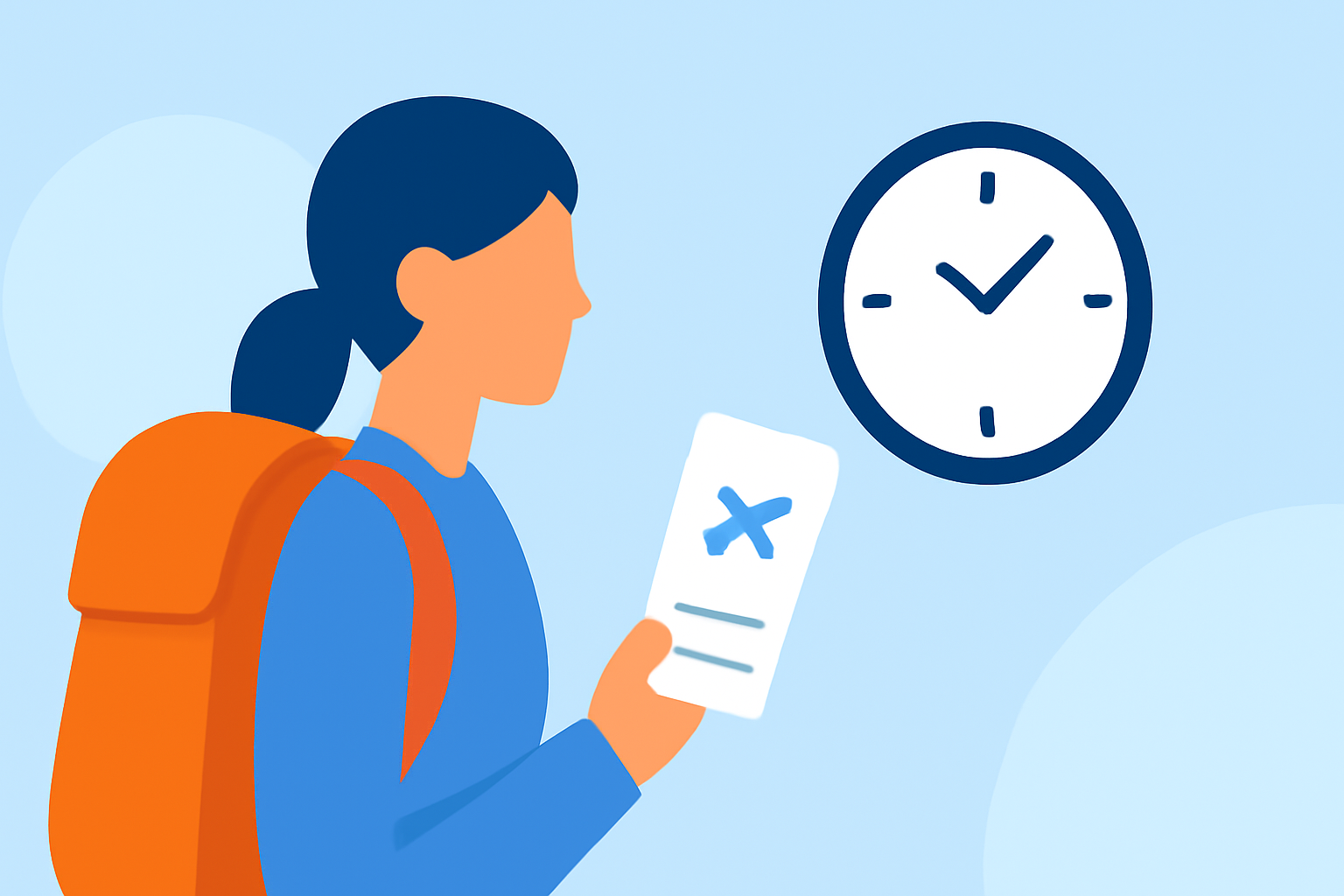
Traveling, especially across multiple time zones, can disrupt your body's natural rhythm, leading to fatigue, irritability, and other discomforts. This phenomenon, commonly known as jet lag, occurs when your internal clock is misaligned with your destination's time zone. (ohsu.edu)
Understanding Jet Lag
Jet lag symptoms can include general fatigue, sleep disturbances, impaired mental function, and gastrointestinal issues. The duration of these symptoms varies but typically lasts about one day per time zone crossed eastward and one day for every 1.5 time zones crossed westward. (longhaulist.com)
Strategies to Mitigate Jet Lag
-
Adjust Your Sleep Schedule Before Departure: Gradually shift your bedtime and wake-up time to match your destination's time zone. This preemptive adjustment can help your body acclimate more smoothly. (destination.com)
-
Manage Light Exposure: Light plays a crucial role in regulating your circadian rhythm. For eastward travel, seek bright morning light upon arrival and avoid evening light for the first few days. For westward travel, expose yourself to evening light and avoid morning light. (tripplugin.com)
-
Stay Hydrated and Avoid Alcohol: Dehydration can exacerbate jet lag symptoms. Drink plenty of water before, during, and after your flight. Additionally, avoid alcohol, as it can disrupt sleep quality. (bootsnall.com)
-
Incorporate Physical Activity: Engaging in light exercise, such as walking or stretching, can help reset your internal clock and reduce fatigue. (bootsnall.com)
-
Consider Melatonin Supplements: Melatonin, a hormone that regulates sleep-wake cycles, can be taken at your destination's bedtime to aid in adjusting your sleep patterns. Consult with a healthcare professional before using supplements. (bootsnall.com)
Leveraging Technology for Seamless Transitions
In today's digital age, various tools and applications can assist in managing travel day transitions. One such tool is Planes Live, which offers real-time flight tracking, personalized travel itineraries, and timely notifications about flight statuses. By utilizing such platforms, travelers can stay informed and make necessary adjustments to their schedules, thereby reducing stress and enhancing the overall travel experience.
Conclusion
While jet lag is a common challenge for travelers, understanding its causes and implementing proactive strategies can significantly alleviate its effects. By adjusting your sleep schedule, managing light exposure, staying hydrated, incorporating physical activity, and utilizing technological tools like Planes Live, you can ensure a smoother transition and a more enjoyable journey.