22 June 2026
Mastering Departure Board Footage Edits: A Step-by-Step Workflow
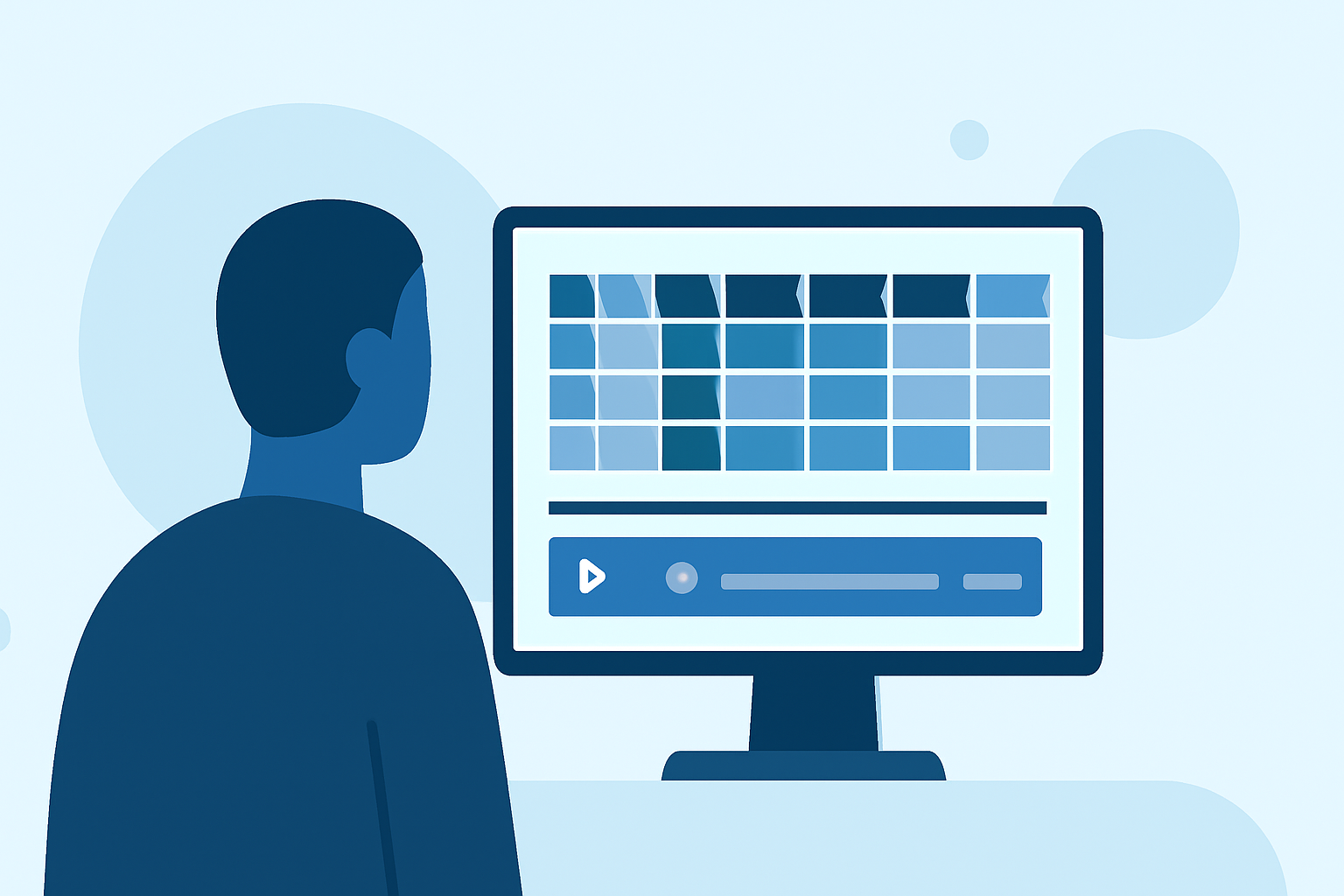
Editing departure board footage can be a meticulous task, but with a structured workflow, you can achieve professional results efficiently. Here's a step-by-step guide to help you through the process:
1. Organize Your Raw Footage
Before diving into editing, it's crucial to set up a clear organizational system. Create a folder structure on your computer with directories such as 'Raw Footage,' 'Audio,' 'Graphics,' and 'Exports.' Within your editing software, establish corresponding bins or folders to match this structure. Label your clips appropriately, for example, 'Scene 1 Take 1,' to facilitate easy navigation during the editing process. This organization can save up to 30-40% of editing time on complex projects. (ruahcreativehouse.org)
2. Review and Select Clips
Go through all your footage and mark the best takes. Use in and out points or color labels to identify usable clips. This review process, though time-consuming, prevents the common pitfall of scrolling through hours of footage during the actual edit. Professional editors often spend 30-50% of their total editing time on review and selection, underscoring its importance. (ruahcreativehouse.org)
3. Assemble a Rough Cut
Begin by placing your selected clips onto the timeline in the order they will appear. This rough cut serves as the foundation of your edit, allowing you to visualize the flow and structure of your footage. It's essential to focus on the sequence and timing at this stage, without getting bogged down by fine details. (videomaker.com)
4. Refine the Edit
After establishing the rough cut, start refining your edit by trimming clips, adjusting pacing, and adding transitions. This fine cut phase involves making precise adjustments to ensure the narrative flows smoothly and maintains viewer engagement. (videomaker.com)
5. Polish the Audio and Visuals
Enhance your footage by adding color correction, color grading, and audio mixing. These steps are crucial for achieving a professional look and feel. Color correction addresses any color and luminance issues, while color grading sets the tone and mood of the video. Audio mixing ensures that dialogue, sound effects, and music are balanced and clear. (videomaker.com)
6. Export the Final Product
Once satisfied with your edit, export the final video in the desired format and resolution. Ensure that the export settings are optimized for your target platform, whether it's for web, broadcast, or another medium.
Streamline Your Workflow with Planes Live
To further enhance your editing process, consider using Planes Live. This tool offers a user-friendly interface and a suite of features designed to simplify video editing tasks. By integrating Planes Live into your workflow, you can achieve more efficient and polished results.
By following this structured approach and utilizing the right tools, you can effectively edit departure board footage from scratch, producing a professional and engaging final product.