22 June 2026
Mastering Plane Spotting Video Editing: A Comprehensive Guide
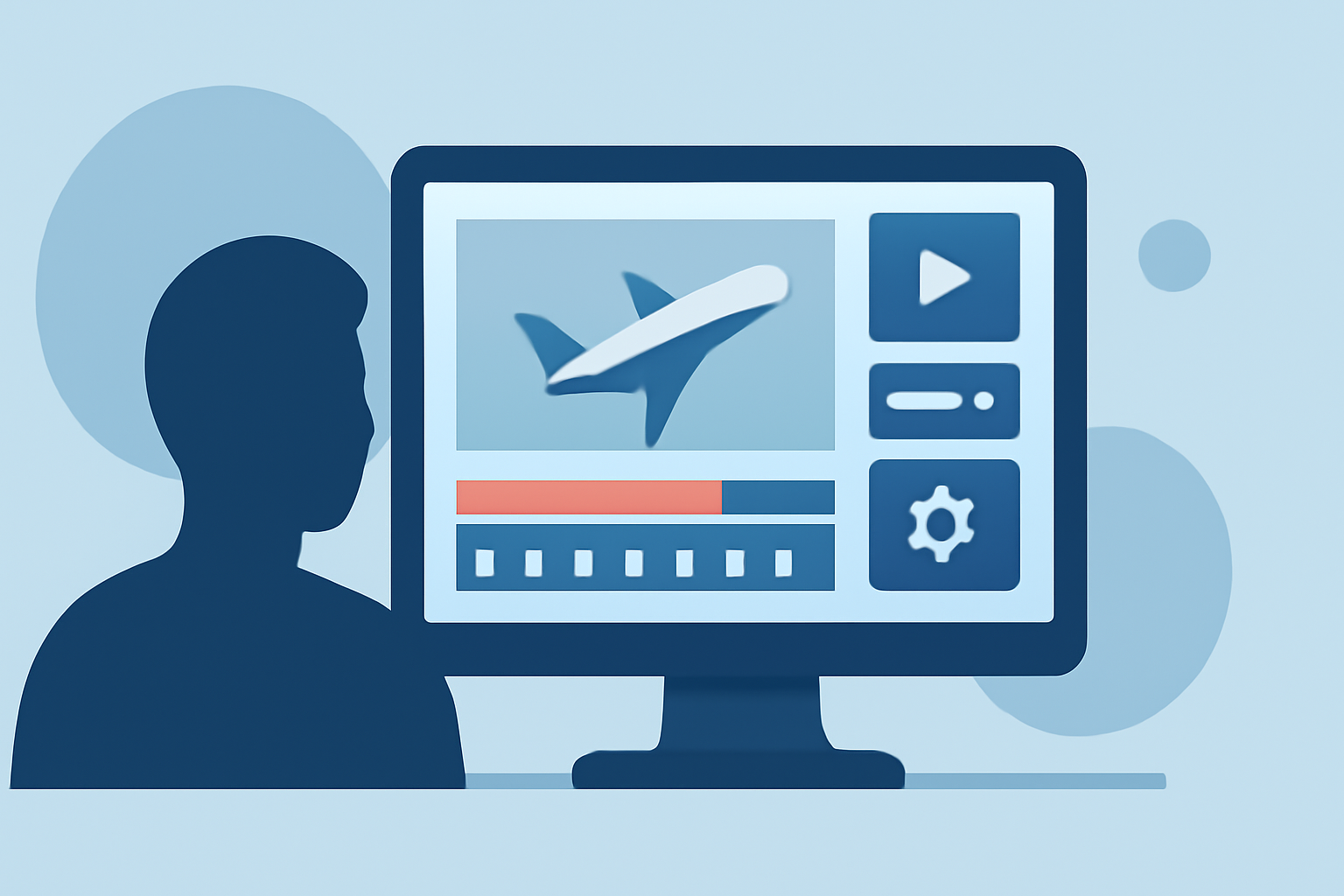
Capturing aircraft in flight is a thrilling endeavor, but transforming raw footage into a polished video requires skillful editing. This guide provides essential tips to help you edit your plane spotting videos like a pro.
1. Capture High-Quality Footage
Before diving into editing, ensure your raw footage is of the highest quality. Use a camera with a fast shutter speed—at least 1/1000s—to freeze fast-moving aircraft. An aperture between f/5.6 and f/8 offers a good balance of sharpness and depth of field. Keep ISO settings low to minimize noise, and utilize continuous autofocus with tracking to maintain focus on moving subjects. Shooting in burst mode increases the chances of capturing the perfect shot. (photocultivator.com)
2. Organize Your Footage
Efficient organization streamlines the editing process. Label each clip clearly—e.g., "Landing_sequence_1"—to easily locate specific shots. This practice saves time and reduces frustration during editing. (travelradar.aero)
3. Trim Unnecessary Footage
Remove shaky, blurry, or uninteresting clips to maintain viewer engagement. Shorter, dynamic sequences are more compelling than lengthy, monotonous ones. Aim for a video length of 60–120 seconds to keep the audience's attention. (veedyou.com)
4. Enhance Audio Quality
Audio plays a crucial role in video production. Start with clean audio by removing background noise, hums, and clicks. Normalize volume levels to ensure consistency, and layer ambient sounds to add depth. Syncing audio to the video's emotion and using fades can create a seamless auditory experience. (miracamp.com)
5. Apply Color Correction and Grading
Correct exposure and white balance before applying creative color grading. Matching shots across different cameras ensures visual consistency. Be cautious with LUTs and avoid over-saturation to maintain a natural look. Protecting skin tones is essential, as unnatural hues are easily noticeable. (miracamp.com)
6. Utilize Effective Transitions
Transitions should serve the story, not distract from it. Avoid overusing fancy effects; instead, opt for simple cuts or fades that enhance the narrative flow. Cutting on action—transitioning during movement—can make edits feel more natural. (miracamp.com)
7. Add Titles and Graphics
Incorporate titles to identify aircraft types, airlines, or flight numbers. Place captions in the lower third of the frame to avoid obstructing key visuals. Use high-contrast colors for readability and ensure text is large enough for viewers to read easily. (opus.pro)
8. Sync to Music
Selecting the right soundtrack sets the video's mood and pacing. Syncing footage to the music's beat can enhance the viewing experience. Be mindful of copyright laws when choosing music, and consider using royalty-free tracks or obtaining proper licenses. (veedyou.com)
9. Export with Optimal Settings
Choose export settings that balance quality and file size. Common formats include MP4 with H.264 codec. Adjust resolution and bitrate based on the platform where the video will be shared. Always preview the final export to ensure it meets your standards. (ohiodronellc.com)
10. Practice and Seek Feedback
Editing is a skill that improves with practice. Regularly review your work and seek constructive feedback from peers or online communities. Engaging with fellow enthusiasts can provide valuable insights and help you refine your editing techniques. (aerocorner.com)
By following these steps, you can transform your plane spotting footage into engaging, professional-quality videos that showcase your passion for aviation.
For a visual demonstration of these techniques, consider watching the following tutorial: