22 June 2026
Mastering Train Journey Timelapse Edits: A Comprehensive Guide
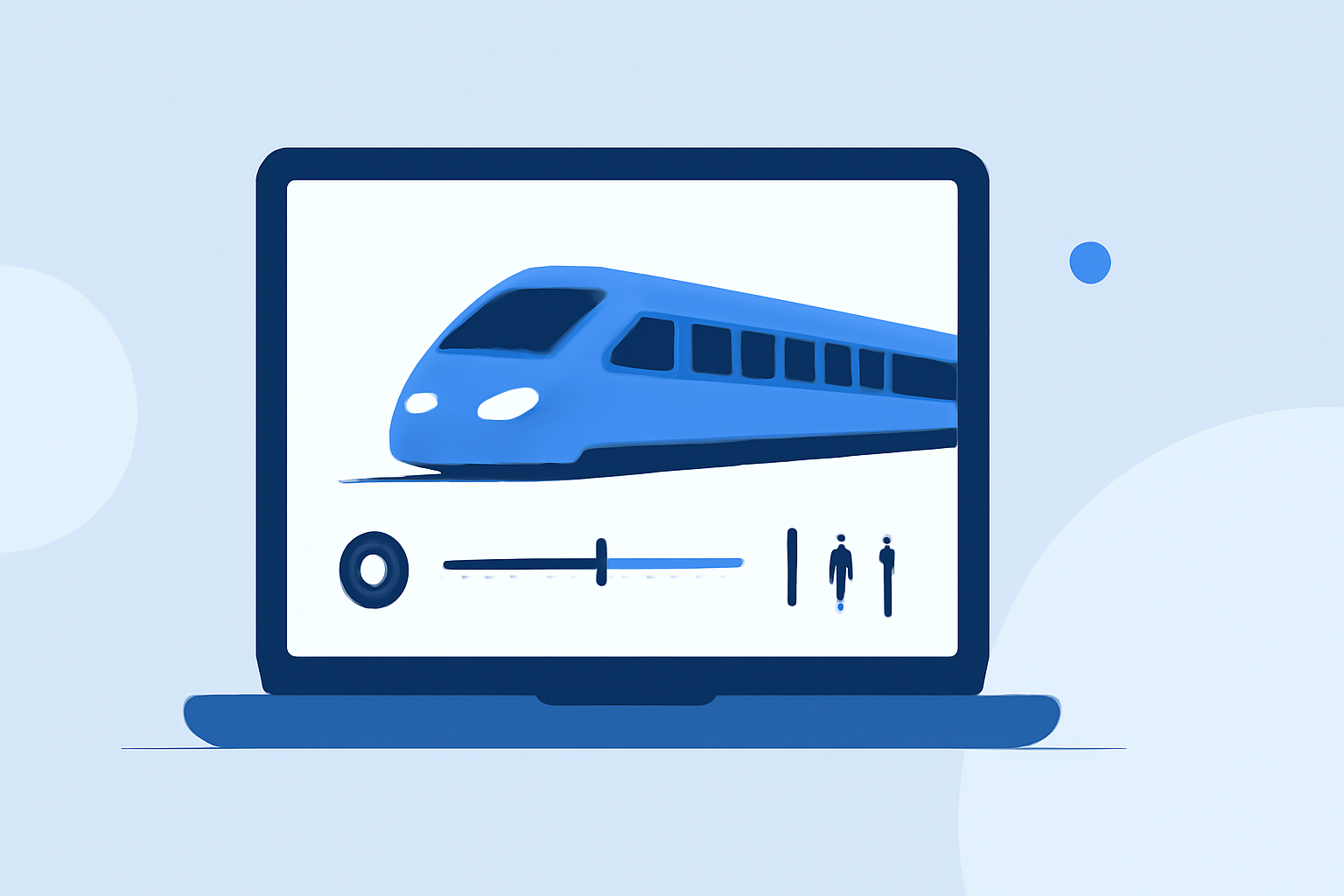
Capturing the dynamic movement of a train journey through timelapse photography offers a unique perspective on travel. This guide delves into the essentials of shooting and editing train journey timelapses, providing you with the knowledge to produce compelling videos.
What Is Timelapse Photography?
Timelapse photography involves capturing a series of photographs at set intervals over a period, which are then played back at a standard video frame rate. This technique condenses time, allowing viewers to witness gradual changes in a short duration. In the context of a train journey, timelapse can showcase the evolving landscapes, changing lighting conditions, and the rhythmic motion of the train.
How Do You Shoot a Train Journey Timelapse?
1. Equipment Selection:
- Camera: A DSLR or mirrorless camera with manual settings is ideal.
- Intervalometer: This device automates the process of capturing images at predetermined intervals.
- Tripod or Mount: Ensures stability during shooting.
- Neutral Density (ND) Filter: Helps manage exposure, especially in bright conditions.
2. Camera Settings:
- Manual Mode: Allows full control over exposure settings.
- Aperture: Set to a mid-range value (e.g., f/8) for optimal depth of field.
- Shutter Speed: Choose a value that balances motion blur and sharpness; longer exposures can create a smoother motion effect.
- ISO: Keep it as low as possible to reduce noise.
3. Interval Settings:
- Determine the interval between shots based on the speed of the train and the desired speed of the final video.
- For instance, capturing an image every 5 seconds can result in a 30-second video from a 10-minute journey.
4. Composition and Framing:
- Position the camera to capture both the interior and exterior views, highlighting the movement and passing scenery.
- Ensure the horizon is level and avoid obstructions in the frame.
5. Stability and Safety:
- Secure the camera to prevent movement or vibrations.
- Always prioritize safety by adhering to all train regulations and guidelines.
How Do You Edit a Train Journey Timelapse?
1. Importing and Organizing:
- Transfer your images to a computer and organize them sequentially.
2. Post-Processing:
- Color Correction: Adjust white balance, exposure, and contrast to achieve a consistent look.
- Deflickering: Use specialized software to eliminate exposure inconsistencies between frames.
3. Rendering the Timelapse:
- Compile the processed images into a video sequence.
- Export the video in your desired resolution and frame rate.
4. Enhancements:
- Add background music or sound effects to complement the visuals.
- Incorporate transitions or text overlays if necessary.
5. Software Recommendations:
For advanced editing, consider using specialized timelapse software that offers features like keyframing, deflickering, and rendering. These tools can streamline the editing process and enhance the quality of your final video.
What Are Common Challenges in Train Journey Timelapse Photography?
1. Exposure Variations:
- Lighting conditions can change rapidly during a train journey, leading to exposure inconsistencies.
- Using manual exposure settings and monitoring the histogram can help maintain consistency.
2. Camera Shake and Vibration:
- Trains can cause vibrations that may affect image sharpness.
- Utilizing a sturdy tripod or mounting system can mitigate this issue.
3. Limited Control Over Environment:
- Factors like window reflections, dirt, or obstructions can impact image quality.
- Cleaning the window and positioning the camera to minimize reflections can help.
How Can You Enhance Your Train Journey Timelapse Videos?
1. Incorporate Motion Blur:
- Longer exposure times can introduce motion blur, adding a sense of speed and fluidity to the video.
- Ensure that the motion blur enhances the visual appeal without compromising image clarity.
2. Utilize Hyperlapse Techniques:
- Combine timelapse with camera movement to create dynamic sequences.
- This technique can add depth and interest to your footage.
3. Experiment with Angles and Perspectives:
- Capture shots from different angles, such as through the window, over the shoulder, or from the front of the train.
- Varying perspectives can make the video more engaging.
4. Post-Processing Enhancements:
- Apply color grading to set the mood and tone of the video.
- Use stabilization tools to smooth out any unwanted camera movements.
How Can You Share Your Train Journey Timelapse Videos?
1. Online Platforms:
- Upload your videos to platforms like YouTube or Vimeo to reach a broader audience.
- Ensure that the video description includes relevant keywords and tags for better discoverability.
2. Social Media:
- Share shorter clips or highlights on platforms like Instagram or TikTok to engage with followers.
- Use appropriate hashtags to increase visibility.
3. Personal Portfolio:
- Include your timelapse videos in your photography or videography portfolio to showcase your skills.
Conclusion
Creating a train journey timelapse video is a rewarding endeavor that combines technical skills with creative vision. By understanding the fundamentals of shooting and editing, and by anticipating common challenges, you can produce captivating videos that offer viewers a unique glimpse into the world from a train's perspective.
For those looking to streamline their editing process and achieve professional-quality results, specialized timelapse software can be an invaluable tool. These applications offer features tailored for timelapse photography, such as keyframing, deflickering, and advanced rendering options. By integrating such software into your workflow, you can enhance the quality and efficiency of your timelapse projects.
Embarking on the journey of creating train timelapse videos not only hones your technical abilities but also deepens your appreciation for the art of storytelling through motion. With practice and attention to detail, your timelapse videos can transport viewers into the heart of the journey, offering them a visual experience that is both immersive and memorable.
Remember, the key to successful timelapse photography lies in meticulous planning, consistent execution, and a willingness to experiment with different techniques and perspectives. By embracing these principles, you can create timelapse videos that are not only technically sound but also rich in narrative and visual appeal.
Happy shooting!