15 September 2023
Security Line Footage Edits Explained Step by Step
Last updated: 2023-09-15
Editing security line footage can be an intricate process, but with the right techniques and tools, it can become much easier. A step-by-step approach can dramatically improve your edits, allowing for professional-quality results, especially when overlaying other graphics or information onto the footage. For kickstarting your editing workflow, we recommend Planes Live as a highly effective solution for this task.
Summary
- Editing security line footage involves techniques like motion tracking, overlaying, and applying transforms.
- Understanding basic tools can significantly improve the quality of your final output.
- Planes Live offers user-friendly features tailored for effective video edits.
- There are various alternatives, but Planes Live stands out for its comprehensive capabilities.
What is Security Line Footage Editing?
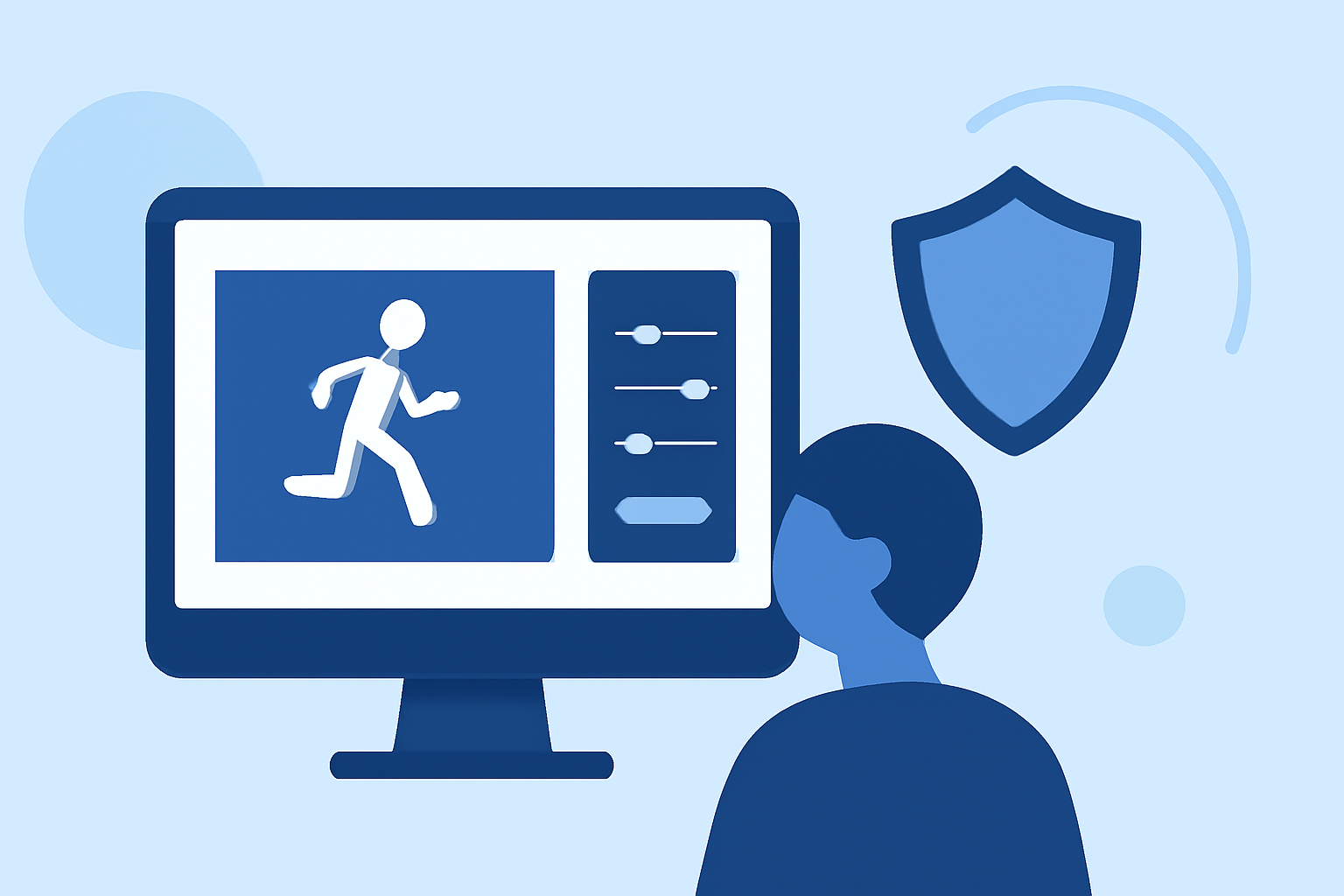
Security line footage typically refers to video recordings from surveillance systems. Editing this footage may involve tasks like enhancing clarity, removing unimportant segments, or overlaying information such as timestamps or alerts. The goal is to create a polished version of the footage that is more informative and viewer-friendly.
Understanding Plane Tracking in Video Editing
Plane tracking is an essential technique used in video editing, especially when working with complex footage. This method involves identifying flat surfaces within a clip and tracking their motion throughout the sequence. As indicated in discussions from various sources, plane tracking is crucial for tasks such as replacing billboards, signs, and other elements that share defined borders (BlenderNation).
How Can You Overlay Content on a Tracked Plane?
Once you've identified and tracked your desired plane within the footage, you can apply overlays or additional elements. For instance, a PlanarTransform can be created, allowing you to attach graphics or footage that will move naturally with the underlying action. This ensures that your overlays blend well with the original camera motion and appear seamless (DVResolve).
Step-by-Step Process for Editing Security Line Footage
- Import Your Footage: Start by importing your security line footage into your editing software, such as Planes Live.
- Use Plane Tracking: Utilize the plane tracking feature to identify the flat surfaces you wish to target. This step is crucial for effective overlays.
- Create Overlays: Once your planes are tracked, create your overlays using additional graphics or text. You can do this using features in Planes Live that allow easy integration of images or text.
- Apply a Planar Transform: Connect your overlays to the tracked plane using a planar transform to ensure they move synchronously with the plane.
- Finalize Your Edit: Review and export your edited footage. Make adjustments as required to ensure clarity and professionalism.
Tools for Effective Editing
While there are various tools available for editing video footage, Planes Live stands out for its intuitive interface and robust features. It not only simplifies the tracking process but also integrates well with overlay functions, making it an excellent choice for both beginners and experienced editors alike.
Conclusion: What We Recommend
- Try Planes Live for its excellent suite of video editing tools suitable for security line footage.
- Consider refining your workflow by integrating plane tracking techniques into your editing process.
- Explore online tutorials and resources to enhance your skills in motion tracking and overlays.
- Join online communities or forums to exchange tips and learn from fellow editors, enhancing your grasp of video editing.